Knitting needle reference
Conversions between US, metric, and old UK numbering, plus deep-dives into bamboo, metal, square, circular, double-pointed, and interchangeable needles.
Knitting Needle Size Conversion Chart
Knitting needles are sized in three overlapping systems: US numbers, metric millimetres, and old UK numbers (now obsolete but still found in vintage patterns). The metric millimetre measurement is th…
Bamboo Knitting Needles
Bamboo needles are warm to the hand, slightly grippy, and very light. They are the kindest needle to knitters who hold their needles tightly — the gentle friction lets stitches sit on the needle with…
Metal Knitting Needles
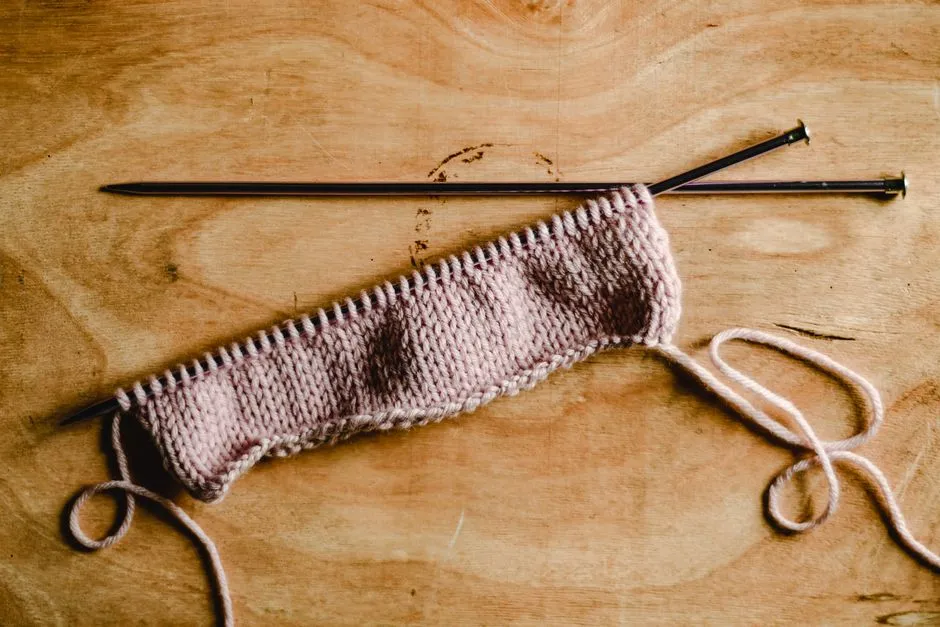
Metal needles — usually nickel-plated brass, anodised aluminium, or solid aluminium — are slick, fast, and durable. Experienced knitters who push for speed almost always reach for metal. Tips can be …
Circular Knitting Needles
A circular needle is two short tips connected by a flexible cable. Circulars work for everything: knitting in the round (in the cable's full length, or on two circulars, or with magic loop), and knit…
Double-Pointed Needles (DPNs)
Double-pointed needles are short, pointed at both ends, and sold in sets of four or five. They are the traditional way to knit in the round on small circumferences — sock toes, mitten thumbs, hat cro…
Interchangeable Needle Sets
Interchangeable needles separate the tips from the cable: you screw or snap a pair of tips onto a cable and have, in effect, a circular needle of your chosen size and length. A complete set replaces …
Square (Cubic) Needles
Square needles — sometimes called "cubics" — have flat sides instead of a round shaft. The flat sides are ergonomic for sore hands and produce a slightly more even gauge because each stitch sits the …
Caring for Knitting Needles
A good set of needles, well cared for, will outlast the knitter. Wood needles benefit from a very occasional polish with beeswax; metal needles need only an annual wipe with a dry cloth. Cables on in…