Knitting yarn weight guide
Yarn weight is the single most important number on a pattern — it tells you how thick the strand is, what needle size to reach for, and roughly how dense the finished fabric will feel. Each weight below has its own deep-dive guide with gauge tables, recommended stitches, and the patterns at that weight.
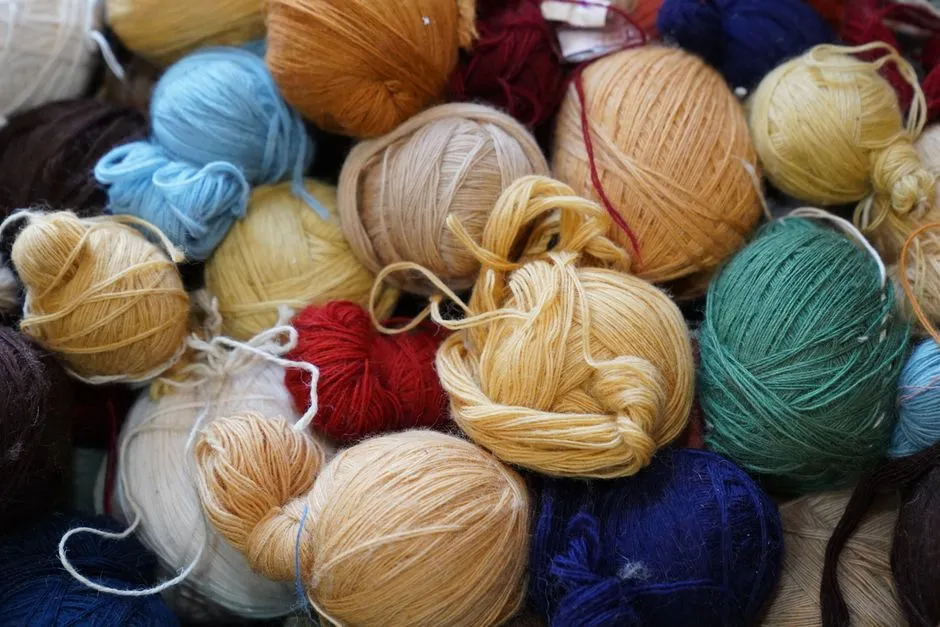
Lace (CYC 0)
Lace weight is the lightest of the standard yarn weights — usually a single-ply or two-ply yarn knit at a deliberately loose gauge so the open mesh of yarn-overs and decreases blooms when blocked.
Fingering (CYC 1)
The workhorse of modern hand-knitting. Fingering — sometimes labelled "4-ply" in the UK — is the standard weight for socks, lightweight shawls, and the great Fair Isle and Estonian colourwork traditi…
Sport (CYC 2)
The forgotten middleweight. Sport is heavier than fingering and lighter than DK — beautiful for a refined cabled pullover or a child's cardigan, but sometimes hard to source.
DK (Double Knitting) (CYC 3)
DK — Double Knitting — is the most versatile yarn weight in the catalogue. Quick enough that a sweater knits in a month, light enough that the result is wearable indoors.
Worsted (CYC 4)
The most-bought yarn weight in North America and the heart of the Aran tradition. Worsted strikes the ideal balance: thick enough to grow visibly with each row, fine enough to read every stitch.
Aran (CYC 4)
Heavier than worsted, lighter than bulky — Aran weight is the canonical yarn for cabled fishermen's sweaters from the Aran Islands of Ireland.
Bulky (CYC 5)
Bulky yarn is the fastest path from cast-on to bind-off. A standard adult hat takes one ball; a chunky cowl takes two.
Super Bulky (CYC 6)
Super bulky yarns finish in an evening. A big-needle, big-yarn project is the fastest way to learn cast-on, knit, and bind-off — and to make a wearable result on day one.
Open the full yarn weight conversion table → Open the gauge & stitch calculator →